
Walking As Atonement
The Unlikely Pilgrimage of Harold FryThe pilgrimage understood as Harold's attempt to atone for Queenie's sacrifice and for David's death, culminating in confession and release.
increasing Bearing strength in each event
 decreasing
Bearing strength in each eventdecreasingGuilt For Queenie's Silence
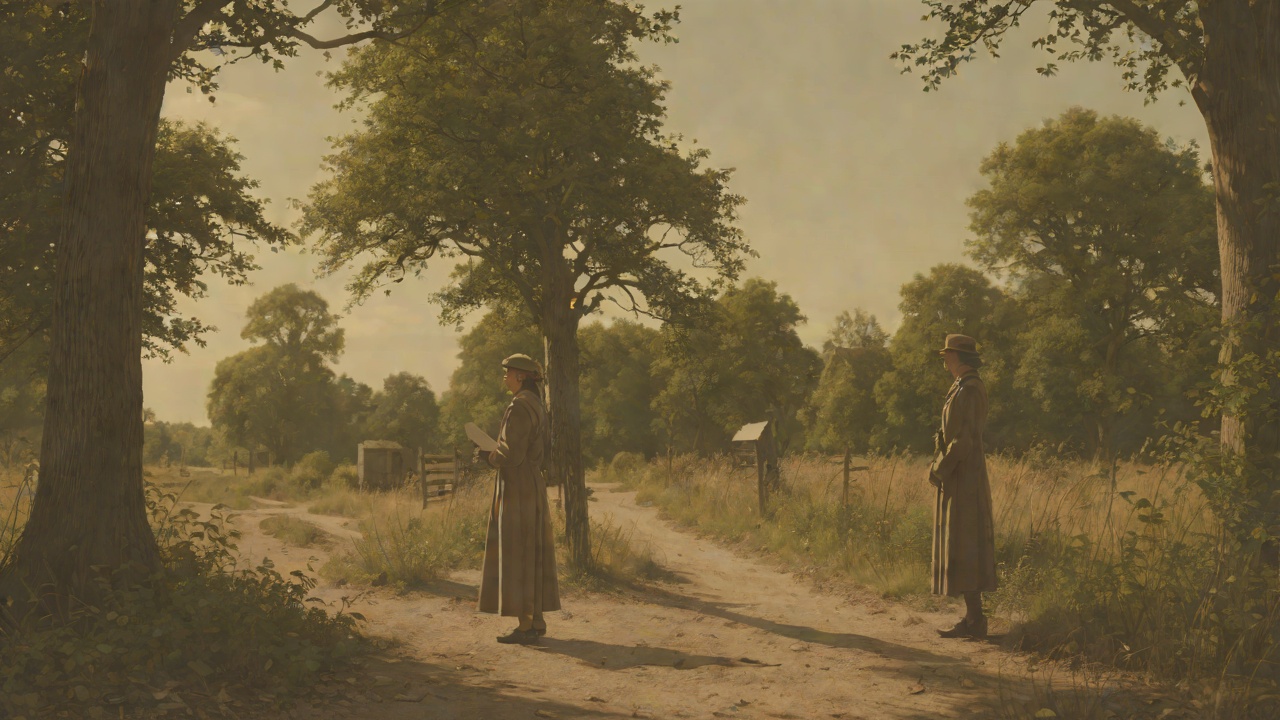
Guilt For Queenie's Silence
A Friend Abandoned
Harold reads Queenie's letter and feels the shame of twenty unspoken years. She proved herself a friend when he needed one, and he let her go without a word. His tears surprise him.
The Debt That Never Died
The memory of Queenie's empty desk haunts him. He stood beside it, not believing she had gone. The walk is a way of finally acknowledging that debt.
Atonement By Footsteps
Harold has no language for guilt, but he has feet. He will walk until the doing of something outweighs the long, terrible not-doing.
The Memory Of The Shed
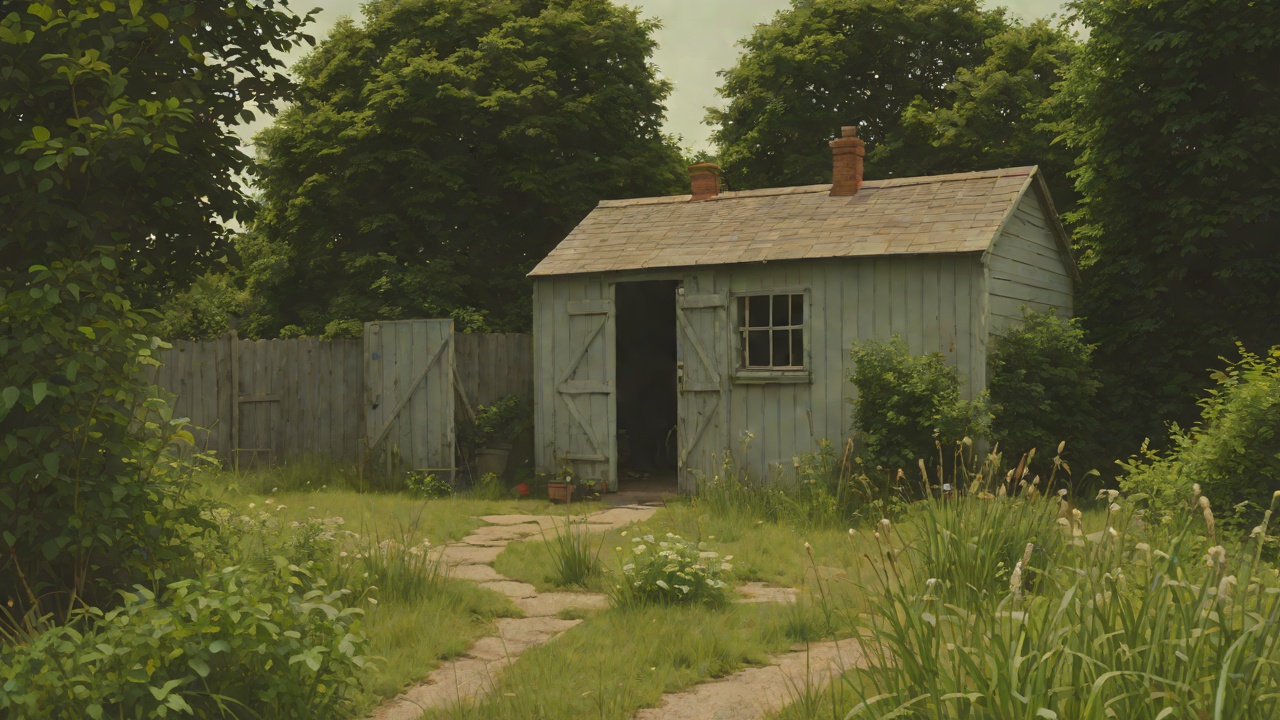
The Memory Of The Shed
A Father's Nightmare
As Harold walks, the memories he has suppressed begin to surface. He sees the garden shed where David hanged himself, and his own hands tearing it apart in a drunken rage. The images arrive whole, as if they are happening again.
The Bottles And The Blame
Harold remembers hiding empty vodka bottles, the drinking before the coroner's report, and the years of silent blame after Maureen moved into the spare room. The walk is also a withdrawal from alcohol and from his old way of surviving.
The Road To The Shed's Truth
Walking does not erase the shed. But it lets Harold carry the memory in daylight rather than hide it in the dark. That is the beginning of atonement.
The Glass Clowns And The Fire
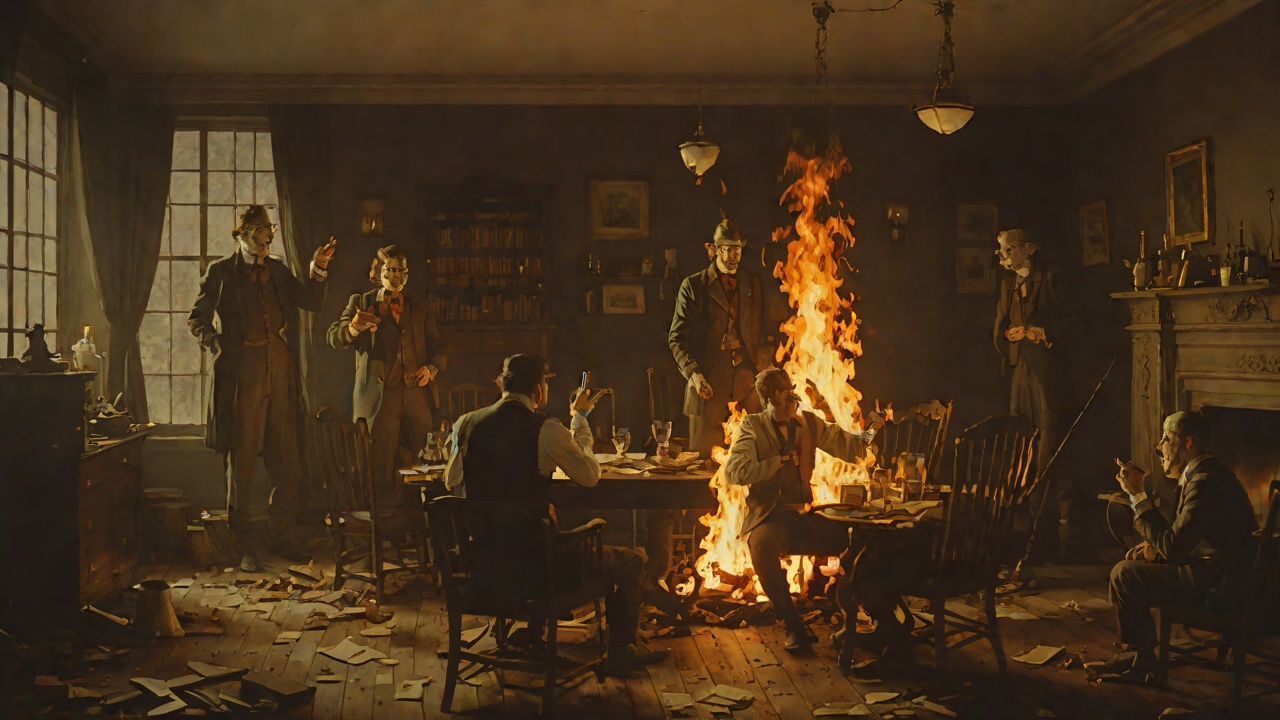
The Glass Clowns And The Fire
The Night Of Destruction
Consumed by grief and whisky, Harold breaks into Mr Napier's office and smashes the Murano glass clowns. He is not trying to destroy a collection; he is trying to make his pain visible.
Queenie Sees Everything
Queenie had seen Harold sitting outside the brewery earlier that night. When Napier hunts for the culprit, she steps forward and says she broke the clowns while dusting. She lets herself be fired.
The Price Of Kindness
Harold learns of the sacrifice too late and too slowly. Queenie disappears from the South West, taking his shame with her. Her silence becomes the weight he walks against.
The Letter Of Confession
The Letter Of Confession
Writing The Unbearable
In a Berwick evening, Harold writes to the garage girl the full story he has never told. He describes finding David in the shed, the long minutes spent tying the noose, and his own prayer before he lifted down his son.
Queenie's Stolen Blame
He explains that Queenie took the blame for the smashed clowns and disappeared. He let her go, but he gave up drinking. The letter is an act of witness, a way of laying the truth down.
The First Honest Words
The confession is not for absolution but for truth. It names the friendship he betrayed and the son he could not save. In writing it, Harold becomes able to face Queenie.
Absolution On The Bench
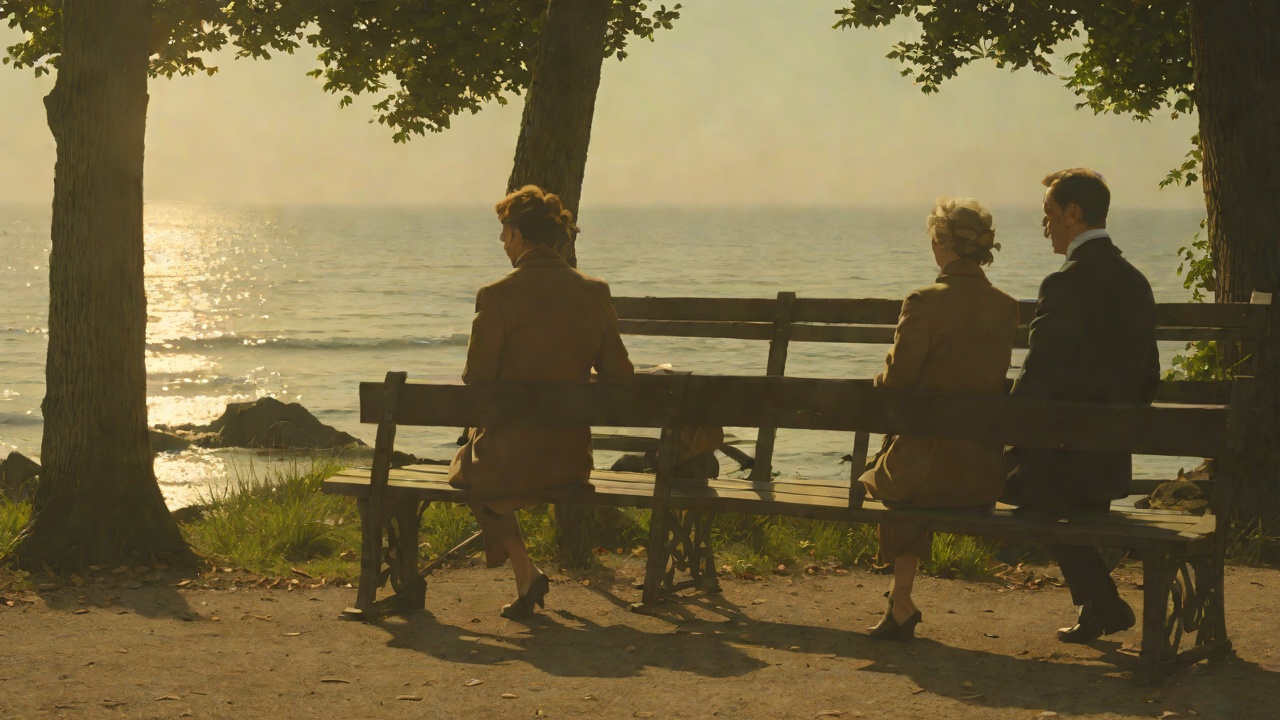
Absolution On The Bench
Maureen's Words
On the bench by the sea, Maureen tells Harold that Queenie was a true friend, and that there was nothing more he could have done. She also tells him she was wrong to blame him for David's death.
Lifting The Shared Wound
The twenty years of silence break open. Harold weeps for the son he lost and for the wife who has returned. Maureen holds him and says he got up and did something, and that this is a small miracle.
Walking Into The Present
Harold no longer needs to atone day by day. He has reached the end of the walk, but also the beginning of a different kind of life, one lived in the present with Maureen.
The morning the letter arrives
Walking through Devon, second and third weeks
Twenty years earlier, after David's death
After the breakdown in the Berwick café
After Queenie's death, Berwick seafront
